For decades, outdoor optics buyers have faced an unavoidable dilemma. Premium-grade binoculars, spotting scopes and monoculars deliver crisp, all-day imaging, yet they carry steep price tags that lock many enthusiasts out of professional-level viewing. Low-cost alternatives slash upfront costs but cut critical corners on lens glass, anti-reflection coatings and waterproof sealing, leading to blurry images, rapid performance decay and limited service life.
Many hobbyists, birdwatchers, hikers and wildlife observers waste funds by overpaying for redundant top-tier specs or settling for subpar devices that ruin outdoor viewing experiences. This guide breaks down practical, actionable strategies to secure satisfying high-definition optical performance without blowing your budget, backed by BITVISH’s years of optical manufacturing experience.
Recognize Core Optical Specs That Directly Determine Viewing Clarity
Not all technical parameters deserve equal investment. Focus on three non-negotiable features that shape real-world image quality, and you can ignore overhyped marketing specs to control spending.
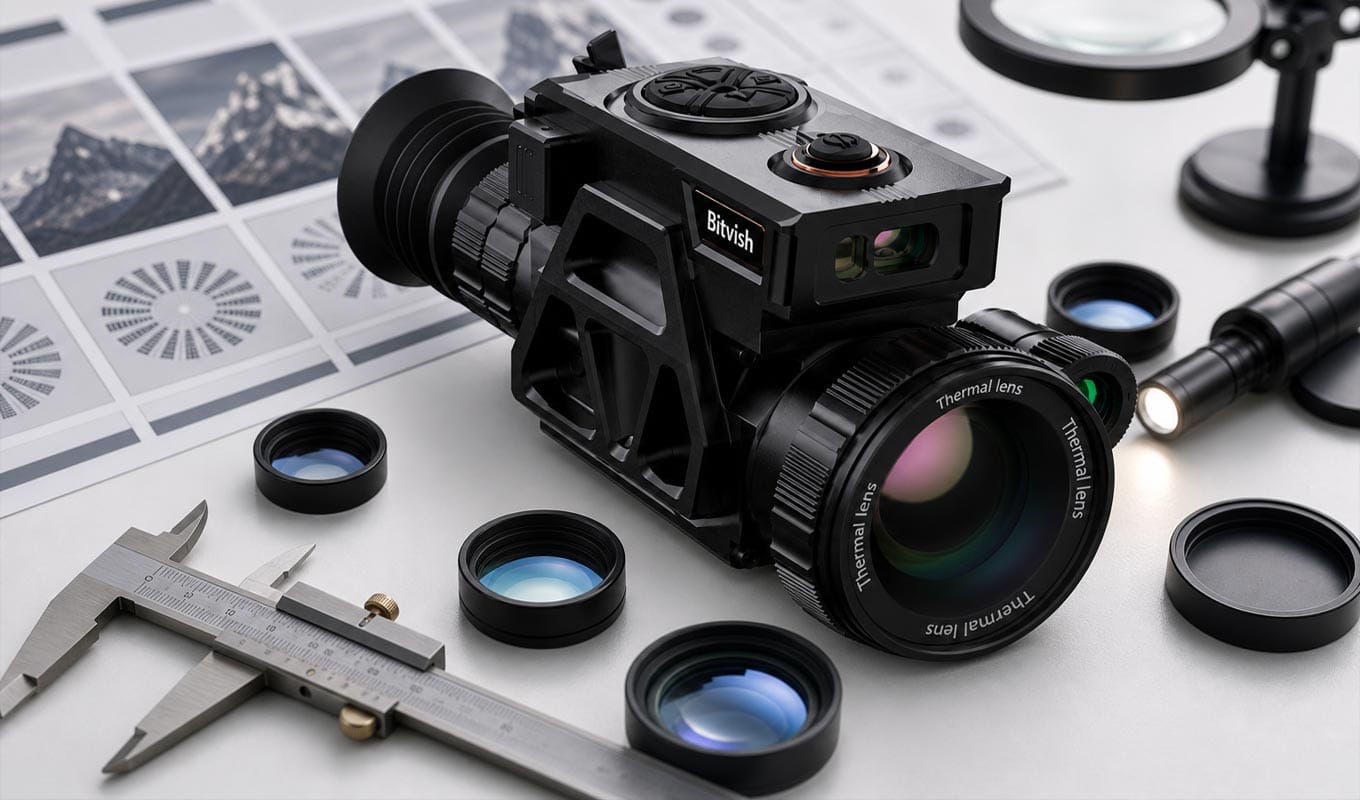
Objective lens diameter and fully multi-layer coatings form the basis of light transmission. Larger objective lenses capture more ambient light for brighter dawn and dusk observation, while full multi-coating eliminates stray light glare and boosts contrast. ED extra-low dispersion glass stands as another core upgrade: it drastically reduces chromatic aberration and purple fringing, letting users capture sharp, true-to-nature color details at long distances.
Magnification is a common over-spec trap. Many shoppers blindly pursue 12x or higher magnification without considering handheld stability. For most outdoor walking and wildlife tracking, 8x to 10x magnification delivers balanced sharpness and wide field of view; ultra-high magnification only adds unnecessary cost and hand-shake blur for daily use.
Skip exaggerated marketing buzzwords such as “ultra-luxury optical system” that add zero functional value. Prioritize verifiable parameters you can test in real outdoor scenes to avoid paying for empty branding premiums.
Distinguish Necessary Durability Features from Overengineered Premium Add-Ons
Outdoor optics face rain, fog, dust and accidental drops, so basic rugged construction cannot be compromised. However, many high-end models stack luxury structural upgrades that inflate prices without practical benefits for casual and mid-level users.
Nitrogen-filled full waterproof sealing is a must-have cost-effective upgrade. It prevents internal lens fogging and dust accumulation, extending the service life of optical components and cutting long-term replacement costs. Rubber armor wrapping and scratch-resistant outer lens coatings also deliver high return on investment with modest price increases.
On the contrary, aerospace-grade metal alloy frames, ultra-thick reinforced lens housings and custom engraved exterior parts only drive up retail pricing. These cosmetic and heavy-duty industrial upgrades target professional long-term field staff; regular outdoor observers can choose lightweight composite bodies to slash costs without sacrificing daily durability.
Avoid Hidden Total Ownership Costs Behind Low Upfront Prices
Many buyers only compare sticker prices and overlook follow-up expenses that make cheap optics far less economical in the long run. Budget models with uncoated standard glass suffer heavy light loss, forcing users to limit observation time under dim light. Inferior sealing causes internal fogging within months, requiring costly lens maintenance or full device replacement.
Premium mid-range optics with standardized professional components cut recurring expenses. Stable imaging performance reduces eye strain, while reliable sealing and high-quality glass minimize maintenance needs. BITVISH’s direct-to-user supply model removes intermediate dealer markups, allowing professional optical configurations to reach market prices comparable to entry-level generic products.
Another hidden cost comes from after-sales service. Mass-market low-price brands offer minimal technical support and short warranty periods. Investing in optics brands with complete end-to-end after-sales systems eliminates expensive third-party repair fees and product replacement losses.
Practical Budget Matching Strategies for Different Outdoor Scenarios
Match your optical configuration to your core usage scenarios instead of chasing universal top performance, which creates a perfect balance of image quality and expenditure.
Casual hiking and landscape viewing prioritize lightweight portability and moderate low-light performance. Select 8×32 compact optics with basic fully multi-coated lenses and nitrogen waterproofing; this setup delivers clear daytime imaging at a controlled budget without oversized high-cost objective lenses.
Birdwatching and wildlife tracking demand strong detail resolution under variable light. Upgrade to 10×42 configurations equipped with ED glass and advanced broadband coatings. These core optical upgrades deliver visible HD improvements, while you can skip luxury metal frames to hold pricing steady.
Dusk, night and all-weather field observation requires maximum light intake and full environmental resistance. Choose large 50mm objective lenses with top-tier anti-reflection coatings, yet opt for streamlined composite housings rather than industrial heavy-duty frames to avoid unnecessary premium charges.
How Independent Brand Innovation Eliminates Performance vs Budget Tradeoffs
Traditional optical industry logic claims high-definition performance and accessible pricing cannot coexist, but this barrier stems from outdated supply chains and brand marketing costs rather than optical manufacturing limits.
Mass-market luxury brands allocate massive budgets to offline retail marketing, celebrity endorsements and boutique store operations, passing these expenses to consumers via steep product markups. Most small generic manufacturers cut core optical material costs to compete on low prices, sacrificing coating precision and glass quality.
BITVISH adopts a different development route: independent optical R&D and direct online sales cut redundant marketing and channel costs. The brand invests saved resources into ED glass production, coating iteration and sealed structural testing, retaining all core high-performance specs while removing unnecessary luxury add-ons that push prices upward.
Every BITVISH optical product retains full multi-coating, nitrogen waterproof sealing and calibrated optical paths as standard configurations, so users no longer need to choose between clear viewing and affordable pricing.
Final Takeaways for Balanced Optical Purchasing
Balancing HD observation performance and budget does not mean settling for compromised quality. It relies on targeted investment in functional core optical features, filtering out overhyped cosmetic upgrades, and calculating long-term total usage costs instead of only focusing on initial prices.
Prioritize lens coating, ED glass and basic weather sealing first; match magnification and objective lens size to your daily outdoor activities; choose brands that eliminate channel markups through direct sales models. Following these rules lets every outdoor explorer access professional-grade crisp vision without overspending.
BITVISH stays committed to zero-compromise performance and transparent pricing, making hardcore optical technology accessible to all outdoor enthusiasts. If you have questions about scenario-based optical selection, our professional pre-purchase consultation team provides tailored recommendations to match your budget and observation demands.